


How is NIO reshaping the electrical design ecosystem for production lines?
Our planet is currently home to nearly 1.5 billion vehicles. In China, new energy vehicles (NEVs) are becoming increasingly popular, with their market share continuing to rise rapidly. This stands in contrast to the global picture, where conventional vehicles still dominate. These developments suggest that the automotive market is moving away from incremental growth and towards replacement demand and intensified competition. As customer experience becomes increasingly critical to a company’s long-term success, the market environment is set to become even more demanding.
The manufacturing sector lies at the heart of this transformation. One of the fundamental differences between NEV production lines and traditional internal combustion engine (ICE) vehicle production lines is their core technological focus: what was once driven mainly by mechanical systems is now increasingly shaped by electrical engineering and software. At the same time, the introduction of advanced electric drivetrain architectures and highly customised configurations has made electrical systems significantly more complex. As a result, the design, changeover and response cycles for production lines have been reduced from annual intervals to monthly or even weekly cycles.
How can companies address the production challenges created by this new efficiency-driven environment? In an interview with e-works, Yu Xin, Director and Specialist in the Intelligent Equipment Operations Department at NIO, explained how the adoption of the Eplan Cloud platform has transformed the efficiency of electrical design for the company’s production lines, creating a model for digital transformation in manufacturing.

A race against time: The “Silent Killer” in new energy production line design
Rapid market changes exposed the limitations of NIO’s traditional manufacturing methods. According to Yu Xin, the root cause of these challenges was a fundamental mismatch between a traditional, manual and fragmented design process and the market’s extreme demands for speed, flexibility and consistency. This mismatch became especially visible in three key areas.
Problem 1: Difficulties in sharing and implementing standards
Vehicle manufacturing involves a wide range of designs, particularly on production lines that must accommodate custom requirements. Yu Xin explained that each design needs to be developed individually, while intense market competition makes it difficult to maintain long-term partnerships with the same engineering providers. Together, these factors created a highly complex environment in which standards were difficult to communicate, understand and implement consistently. As a result, NIO invested substantial effort in training new partners, yet still experienced deviations from standards during implementation. This, in turn, increased the time and effort required for debugging and optimization.
Problem 2: Communication bottlenecks in the design process
A heavy reliance on manual processes also reduced efficiency. NIO’s technical standards team and its external design partners often found themselves caught in a repetitive cycle of communication, review, revision and approval. Yu Xin acknowledged that the sheer amount of time spent on this process led to considerable efficiency losses. More importantly, manually reviewing large volumes of drawings is not only time-consuming but also less reliable. Errors or omissions in the design stage often resulted in additional validation and modification work later on.
Problem 3: A disconnect between theory and practice
Yu Xin summarized the issue clearly: “The drawings were being produced by one team and implemented by another.” This invisible barrier between departments was more than an organizational issue; it also created a gap between theory and practice. Here, “theory” refers to electrical design drawings and data, while “practice” refers to the actual production lines, equipment, components and parameters. If the design intent defined in theory cannot be communicated and implemented accurately in practice, a serious disconnect arises.
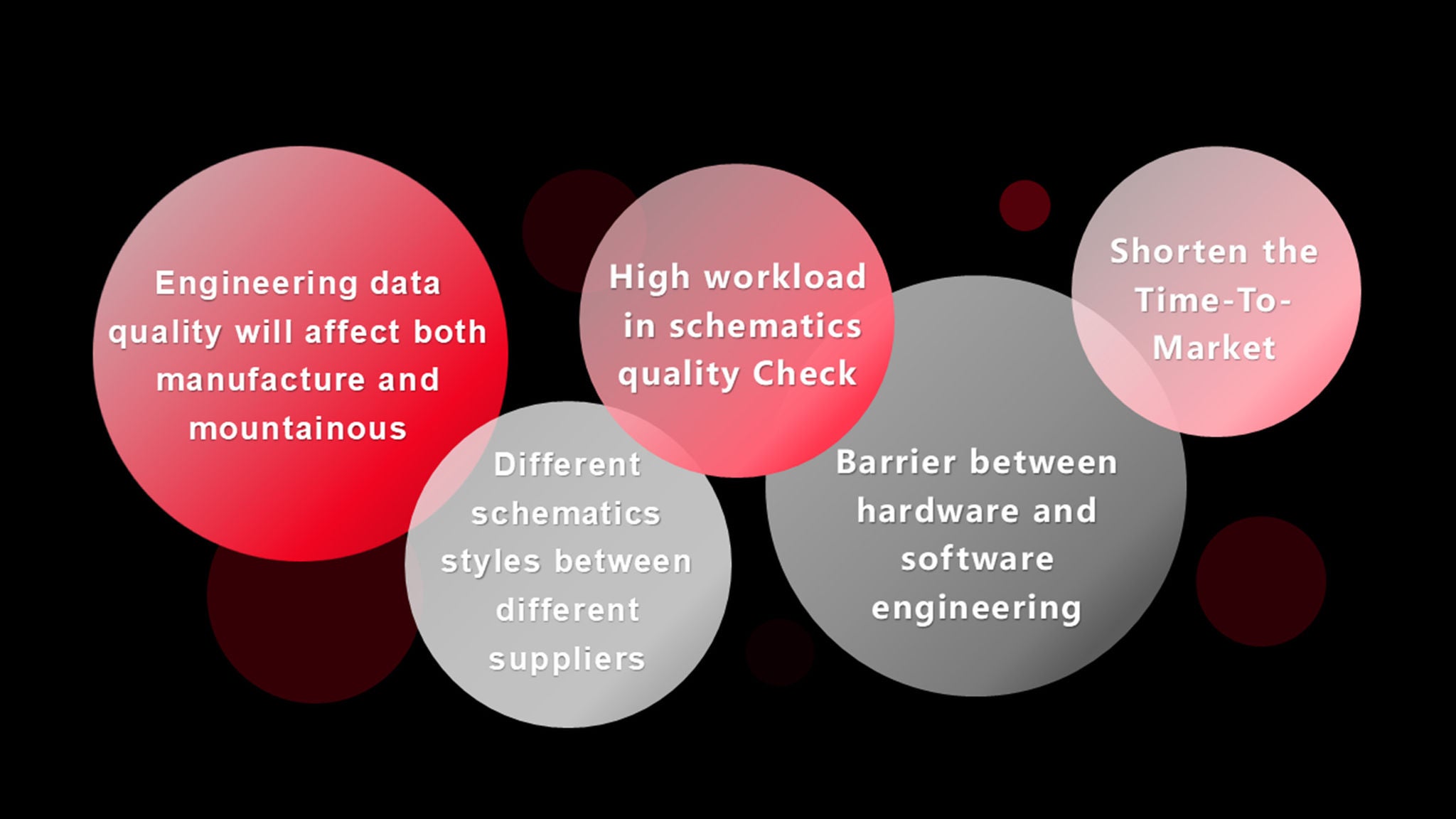
Challenges in designing new energy production lines
NIO faced numerous challenges in production line design, including limited standardisation, extended design cycles, difficulties in execution and management, cumbersome design reviews, challenges in quality assurance, high design costs, and complex coordination between hardware design, software engineering and on-site implementation. In addition, rapidly changing requirements and the involvement of multiple engineering partners added further complexity.
These challenges created uncertainty throughout the development process and limited the responsiveness NIO was striving to achieve. This raised a crucial question: how can designers select components that support precise closed-loop data synchronisation while also enabling efficient coordination with procurement, supply chain processes and on-site installation and commissioning?
A system overhaul: Deploying the seventh-generation industrial control system
In response to these challenges, NIO launched a systematic strategic initiative beginning with top-level design. Yu Xin revealed that NIO is currently developing the seventh generation of its industrial control system. This new system incorporates automated electrical design as well as advanced technologies such as individual and collective intelligence, with the aim of fundamentally transforming existing production line design models into systems that are flexible, intelligent and capable of self-repair.
A central task in the electrical design of production lines is the creation of an intelligent design management platform. Yu Xin emphasized that the primary objective of this platform is to use automation to solve issues relating to efficiency, consistency and non-standardized interfaces. In practical terms, this means replacing traditional manual design, communication and review processes and eliminating the root causes of inefficiency, inconsistent standards and interface conflicts.
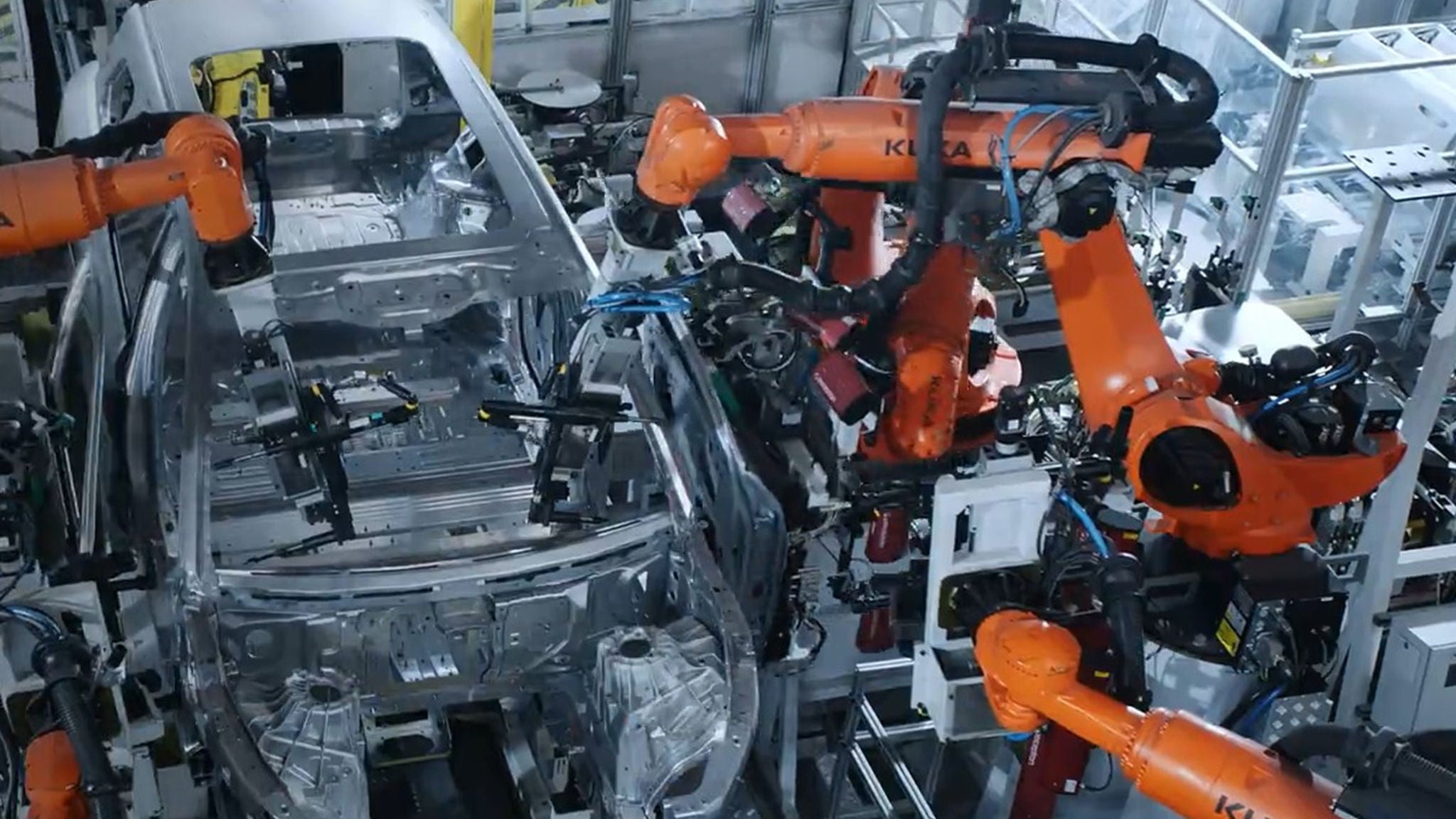
In response to these challenges, NIO launched a systematic strategic initiative beginning with top-level design. Yu Xin revealed that NIO is currently developing the seventh generation of its industrial control system. This new system incorporates automated electrical design as well as advanced technologies such as individual and collective intelligence, with the aim of fundamentally transforming existing production line design models into systems that are flexible, intelligent and capable of self-repair.
A central task in the electrical design of production lines is the creation of an intelligent design management platform. Yu Xin emphasised that the primary objective of this platform is to use automation to solve issues relating to efficiency, consistency and non-standardised interfaces. In practical terms, this means replacing traditional manual design, communication and review processes and eliminating the root causes of inefficiency, inconsistent standards and interface conflicts.
The success of the platform depends on two core pillars.
Pillar 1: Prioritizing standardization
The platform is built on NIO’s internal equipment control standards, which are also embedded in standardized supplier interfaces to ensure that all parties use the same design language from the outset. The aim is to eliminate implementation deviations caused by inconsistent standards or lack of experience, thereby improving the sharing and execution of standards across all partners.
Pillar 2: End-to-end connectivity
NIO aims to establish a seamless connection across the entire process chain, from equipment production lines and engineering design to OEM interfaces. The platform enables the precise communication of design intent, real-time feedback on implementation issues, and the integration of procurement and component selection processes. This helps resolve communication issues during the design phase and bridges the gap between theory and practice.
This systematic strategy enables NIO to achieve greater consistency and higher quality throughout the production line development process. It not only addresses current challenges, but also creates a solid foundation for the adoption of the Eplan Cloud platform.
The right tool for the job: Why the Eplan Cloud platform?
Having defined the vision for the seventh generation of its industrial control system, NIO needed the right technology to put that vision into practice. After careful evaluation, NIO selected the Eplan Cloud platform as its core solution for intelligent electrical design. Yu Xin explained that the decision was based on three key priorities: efficiency, quality and collaboration.
Choosing efficiency: From manual drafting to automated design
NIO’s primary reason for adopting an electrical design platform in the Eplan Cloud environment was to solve the problem of design cycles taking significantly longer than product iteration cycles. Yu Xin admitted: “The previous design process involved multiple rounds of revisions by highly skilled individuals.” This labour-intensive and largely manual approach was a major source of inefficiency.
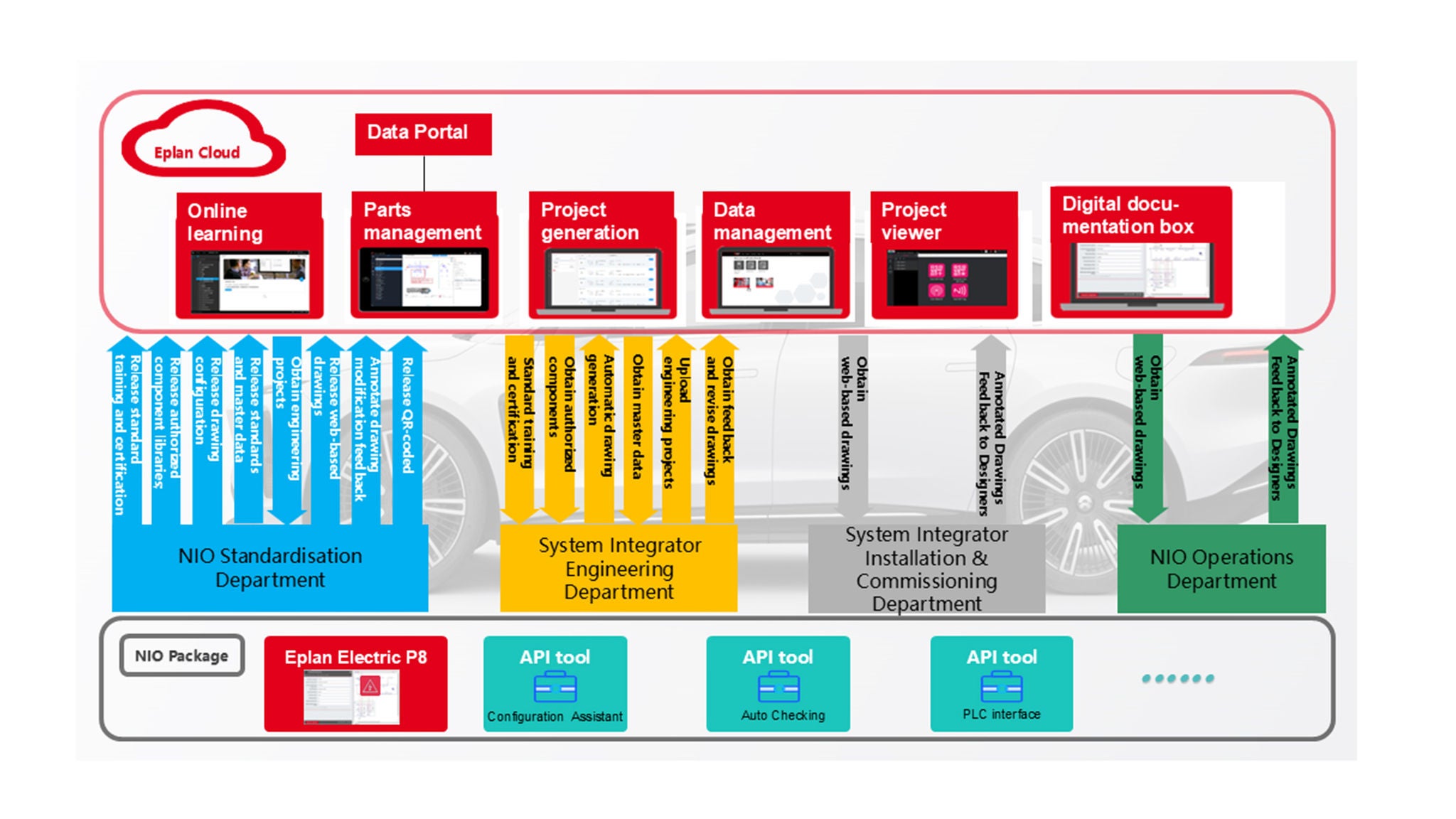
A decisive factor in choosing the Eplan Cloud platform was the opportunity to move from manual drafting to computer-generated design. Design automation replaces time-consuming manual work, while integrated bill-of-materials data and extensive solution libraries give engineers direct access to standardized modules. This reduces repetitive tasks, relieves designers of routine work and accelerates the entire design process, enabling production lines to keep pace with short market iteration cycles.
The Eplan Cloud platform supports a broad application workflow that includes eLearning, the Eplan Data Portal with millions of component data sets, Eplan Parts management (eStock), Project generation (eBuild Project Builder), Data management (eManage), Project viewer (eView), Eplan ePocket, supplier training and certification, cloud-based parts management and distribution, automated drawing generation, cloud-based documentation management and sharing, paperless browser-based drawing viewing, and operational document sharing via QR code. These functions support the entire workflow, from a plant’s planning department and a supplier’s design department through to on-site installation, commissioning, operations and maintenance.
Choosing quality: A platform that ensures consistency
Because standards were not always implemented consistently and manual reviews were inefficient, NIO needed a central platform that could enforce standards and improve quality. According to Yu Xin, manually reviewing large volumes of drawings is not only time-consuming but also results in lower overall quality.
The Eplan Cloud platform provides a centralised environment that directly addresses this issue. NIO’s own electrical control standards can be incorporated into the system, ensuring that all partners work on the same platform and design according to the same rules. This greatly reduces deviations in implementation. In addition, the platform performs automated logic validation based on defined review and inspection rules during the design process. This replaces inefficient and error-prone manual review procedures and leads to more reliable drawings.
Choosing collaboration: Leveraging a mature OEM ecosystem
Within the supply chain, one of NIO’s biggest challenges was the efficient exchange of data with its many equipment suppliers and system integrators. Establishing new data interfaces with each supplier individually would have been both costly and complex.
Yu Xin explained that a major advantage of the Eplan Cloud platform is its native integration with many of the business interfaces already used by NIO’s OEM partners. Thanks to Eplan’s broad customer base, many OEMs have already made large volumes of data available on the platform. This means NIO can make use of an existing ecosystem instead of building one from scratch, improving efficiency in areas such as component selection and data integration. As a result, collaboration across the supply chain becomes significantly easier and more effective.
Implementation: Added value in three key areas
Even the most promising solution must ultimately deliver measurable results. Since implementing its Eplan Cloud-based electrical design platform, NIO has significantly improved its processes, increasing efficiency in the drawing stage, enabling smoother collaboration across departments and strengthening quality assurance through electrical logic validation.
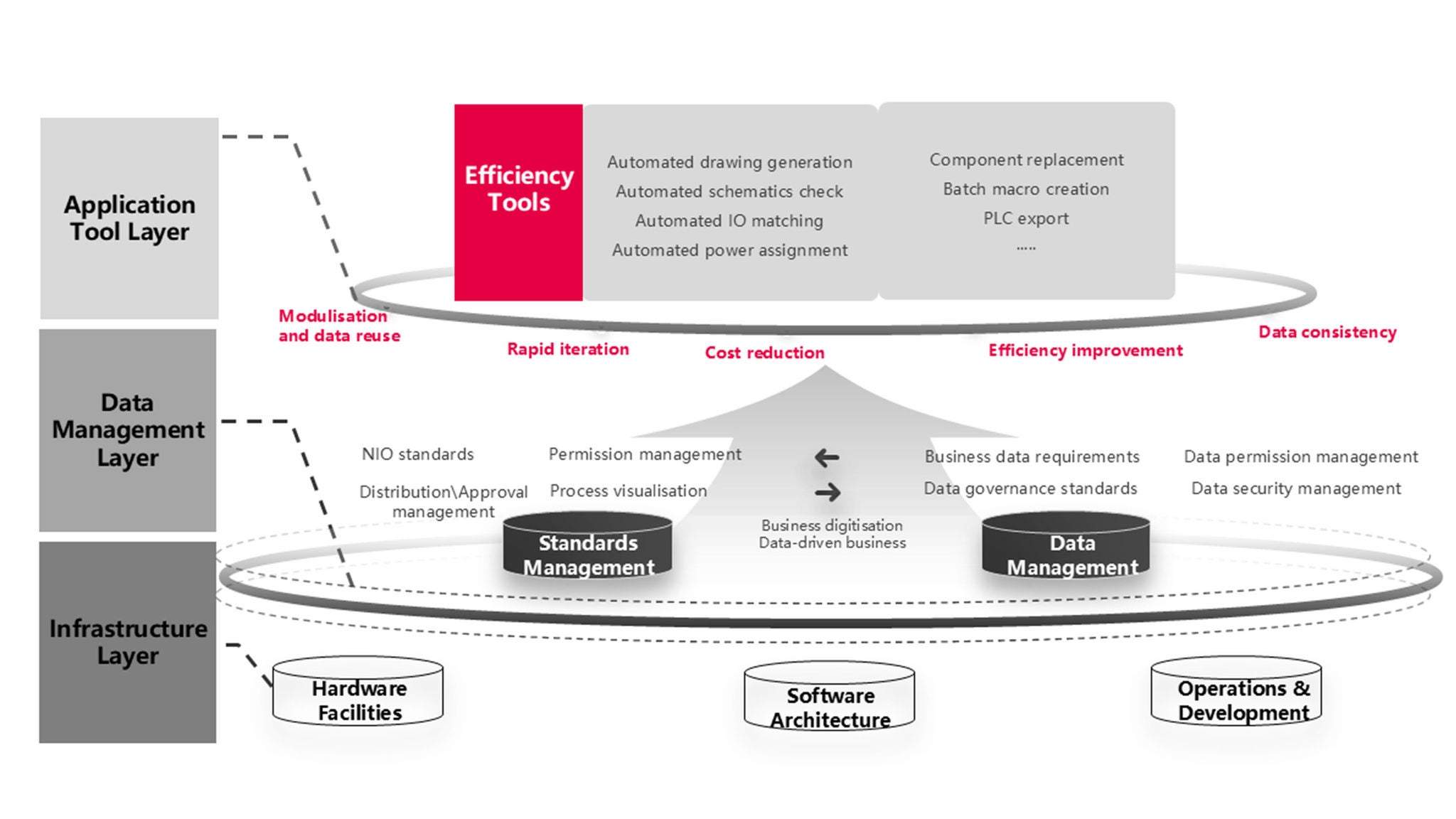
Area 1: Design automation replaces manual drafting
The automation capabilities of the Eplan Cloud electrical design platform have enabled NIO to replace a highly manual drawing process that depended heavily on skilled specialists. Most notably, the design review phase has been reduced from weeks to just hours, resulting in reliable, standards-compliant drawings delivered with greater efficiency and improved quality.
Area 2: Cloud-based collaboration removes geographical and departmental barriers
The collaborative capabilities of the Eplan Cloud platform have eliminated many of the bottlenecks previously associated with sharing physical drawings and waiting for approvals via email. Teams across different plants and departments can now collaborate in real time on the same platform. This supports efficient, standardized information sharing and makes cross-functional cooperation much easier.
Area 3: In-depth validation of electrical logic
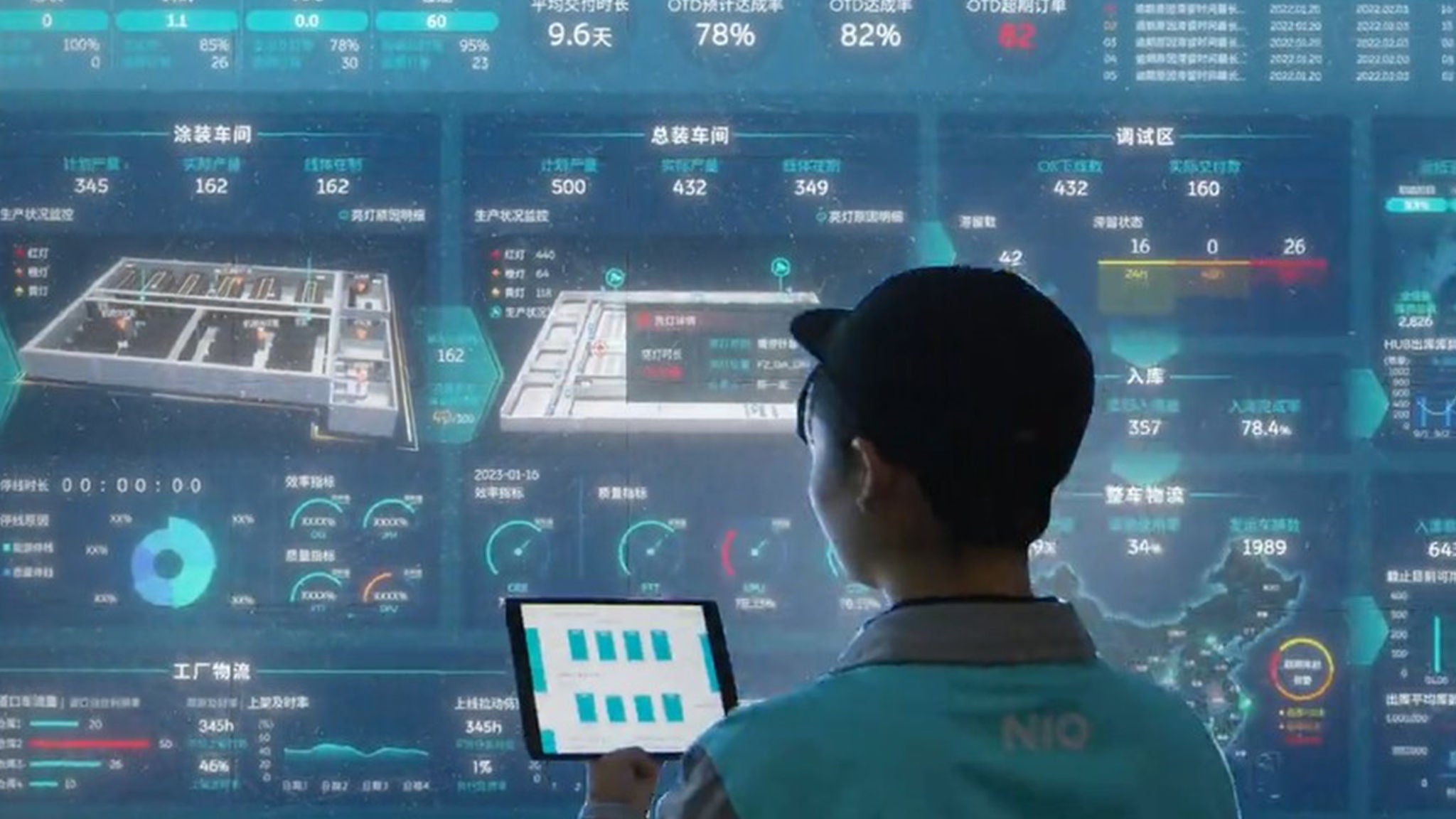
The Eplan Cloud platform has enabled NIO to move beyond simple drawing verification towards functional reliability assessment. This has significantly improved overall design quality. By introducing in-depth validation of electrical logic based on the model library during the design phase, NIO has been able to identify and eliminate potential electrical faults at an early stage, reducing the risks and costs associated with later equipment debugging.
Building a shared ecosystem: Success through empowerment
The success of this new electrical design model depends not only on the technology itself, but also on whether the entire ecosystem can operate efficiently. In Yu Xin’s view, the rapid iteration of production lines is a challenge faced by the entire automotive industry. By introducing its Eplan Cloud electrical design platform, NIO has positioned itself as an innovator and has created a model for how the wider industry can address shared challenges.
How can NIO encourage its partners to embrace this change? Yu Xin emphasized NIO’s commitment to mutual success across its partnerships. Adopting the Eplan Cloud electrical design platform not only saves NIO time and accelerates product delivery, but also allows suppliers to reduce manual effort and lower manufacturing costs. At the same time, engineers are freed to focus on more creative and value-adding work.
At the heart of this approach is NIO’s principle of building an ecosystem rather than a monopoly. By making its solutions accessible to others, NIO is enabling more partners to benefit from shared progress, ultimately increasing efficiency and supporting collective advancement across the industrial value chain.
Moving towards intelligent production lines
Looking ahead to the next three years, Yu Xin predicted that production line design will evolve from automation towards deeper levels of intelligent operation. This is not simply a technological upgrade; it represents a fundamental transformation of traditional manufacturing models and reflects the vision behind the seventh generation of NIO’s industrial control system.
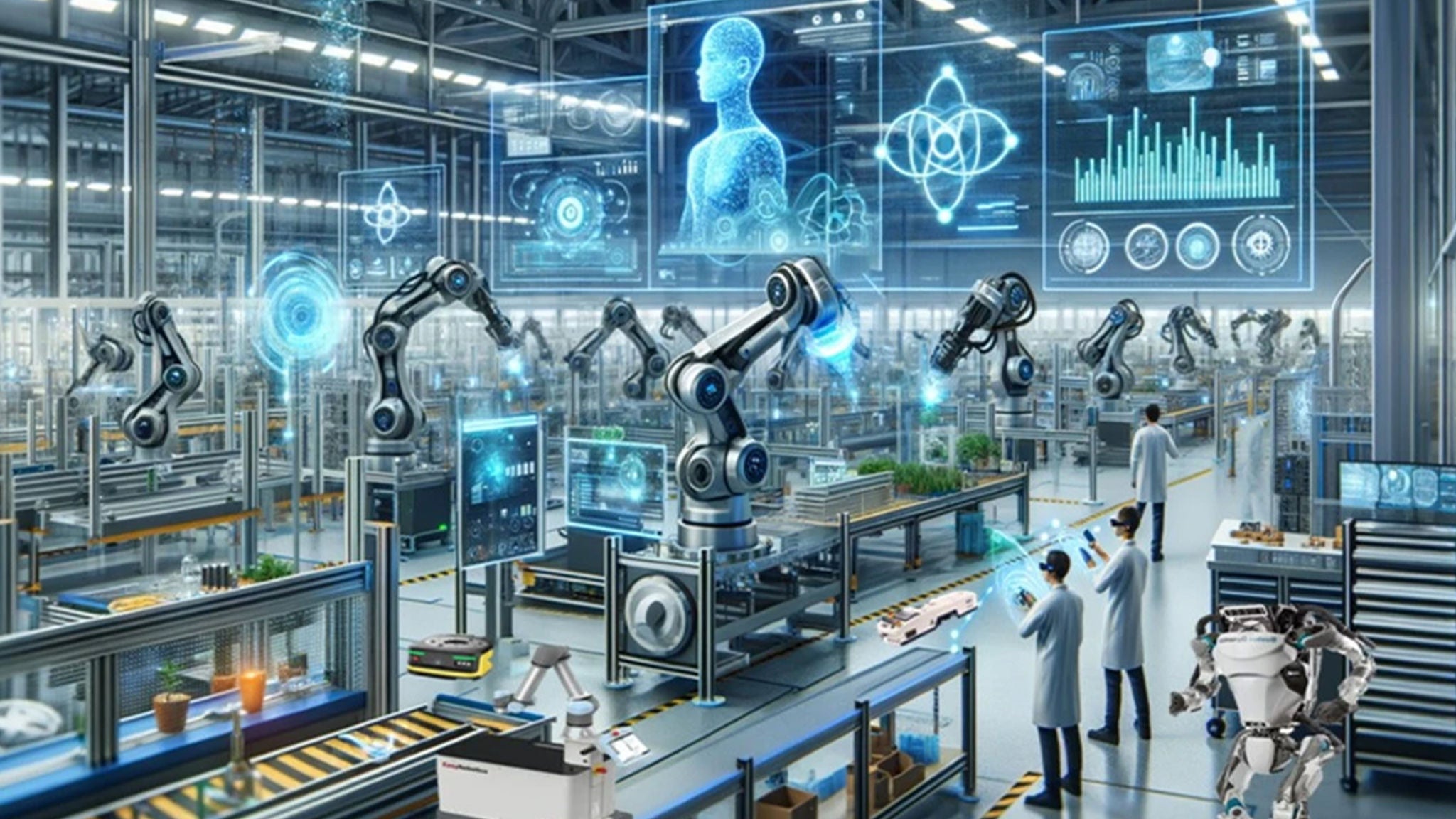
Production lines of the future will need to be more adaptable and more autonomous. Yu Xin stressed that true technological progress depends on flexible, intelligent production lines that can be reconfigured individually and are capable of self-diagnosis and self-repair. This suggests that, rather than functioning as fixed operating units, future production lines will become intelligent systems capable of autonomously adjusting configurations according to production requirements and responding to faults independently.
NIO hopes to extend its collaboration with Eplan into the following areas.
AI-Powered intelligent design
Artificial intelligence will be integrated more deeply into the design process, enabling the shift from automated production to intelligent design. In this context, AI will not simply execute commands; it will optimise solutions, generate design improvements and even identify potential weaknesses based on large volumes of data.
Intelligent cloud-based operations and maintenance
By using a cloud platform to build a digital twin that reflects the physical production line in real time, NIO aims to enable real-time monitoring, performance forecasting and remote maintenance. This would transform operations and maintenance from a reactive model into a proactive early-warning approach.
Rapid validation to support production line reconfiguration
In a digital twin environment, production line reconfiguration means rapidly adjusting and combining different equipment modules, followed by simulation and validation. This can significantly reduce debugging time for new production lines, lower trial-and-error costs and support truly flexible manufacturing.
Conclusion
Despite the challenges associated with traditional models, including difficulties in implementing standards and inefficient collaboration, NIO remains committed to long-term technological innovation. The company continues to strengthen its technical foundation, prioritise collaborative innovation and drive progress in parallel with industrial development. Even amid delivery pressure and economic uncertainty, NIO has continued to invest in the Eplan Cloud platform, transforming its own pursuit of efficiency into a shared standard across the supply chain.
From the perspective of e-works, the collaboration between NIO and Eplan is rooted in a common ambition: to turn individual technological strengths into solutions that benefit the wider industrial ecosystem. The Eplan Cloud platform has helped NIO achieve a significant leap in efficiency while also establishing a collaborative model that benefits its partners. NIO has therefore done more than implement a new solution; it has created shared value.

About NIO
NIO is an intelligent electric vehicle manufacturer with operations in multiple international markets. The company currently operates three brands: NIO, ONVO and firefly. Over the past decade, NIO has developed into one of the leading manufacturers of intelligent electric vehicles. It focuses on the forward-looking development of core technologies and has established its NIO Full Stack across 12 technical domains. NIO operates R&D and production facilities in more than ten locations, including Shanghai, Hefei, Beijing, San Jose, Munich, Oxford, Budapest, Singapore and Abu Dhabi. Its sales and service network spans numerous countries and regions across China, Europe, the Middle East, Central Asia, Southeast Asia and Central America.