Understanding and Solving Common Pain Points in Custom Machine Engineering
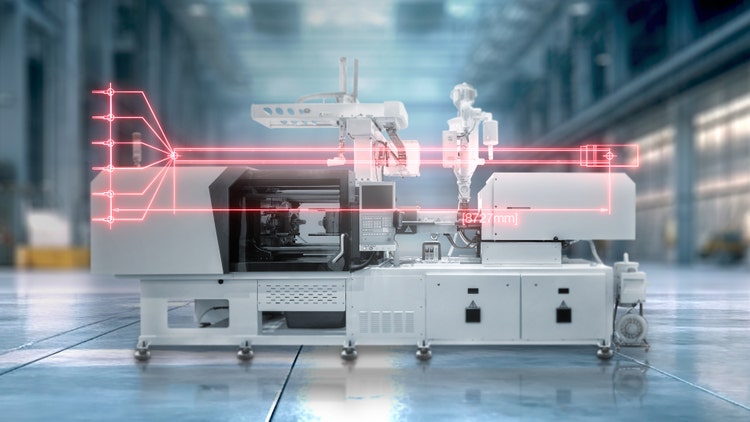
Understanding and Solving Common Pain Points in Custom Machine Engineering1
Early Electrical and P&I Design1
Common Pain Points in Electrical and P&I Design:2
Precision Cabling and Wire Harness Planning2
Common Pain Points in Precision Cabling and Wire Harness Planning:2
Harness Design for Complex Machines3
Common Pain Points with Harness Design for Complex Machines:3
Early Electrical and P&I Design
Common Pain Points in Electrical and P&I Design:
- Disconnected electrical and fluid engineering.
- Manual creation of P&I (Piping and Instrumentation) diagrams.
- Time-consuming variant management and error-prone changes.
How Eplan P8 Helps
Integrated electrical and P&I: Engineers can create both electrical schematics and P&I diagrams in one environment, ensuring consistency across disciplines. This is critical in hygienic environments where fluid systems must align with control systems.
Library-driven macros and variants: Common circuits, like CIP (Clean-In-Place) systems or machine heating circuits, can be reused and varied as needed—cutting design time by up to 50%.
Automated documentation: Bills of Materials (BOMs), cable lists, and compliance reports are generated directly from the project, reducing manual overhead and improving accuracy.
Precision Cabling and Wire Harness Planning
Common Pain Points in Precision Cabling and Wire Harness Planning:
- Uncertainty in cable routing, lengths, and costs.
- Dependency on physical prototypes for wire routing.
- Waste due to rework or incorrect cable procurement.
How Cable proD Addresses It:
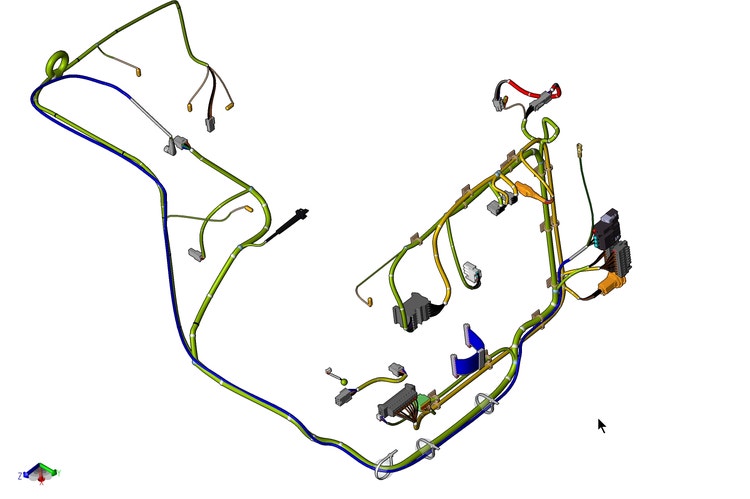
- 3D cable routing: Cable proD integrates with mechanical CAD files to visualize cable paths, calculate lengths, and avoid collisions early.
- Digital twin of cabling: Engineers can estimate cabling needs in 3D, allowing them to order prefabricated cables and eliminate prototype iterations.
- Plug-and-play assembly: Assembly technicians work with exact digital instructions, improving reliability and reducing onsite measurement or trimming.
Learn more about Eplan Cable proD
Harness Design for Complex Machines
Common Pain Points with Harness Design for Complex Machines:
- Traditional wiring harness engineering is fragmented across 2D and 3D domains.
- Multiple iterations due to misalignment between electrical and mechanical teams.
How Harness proD Helps:
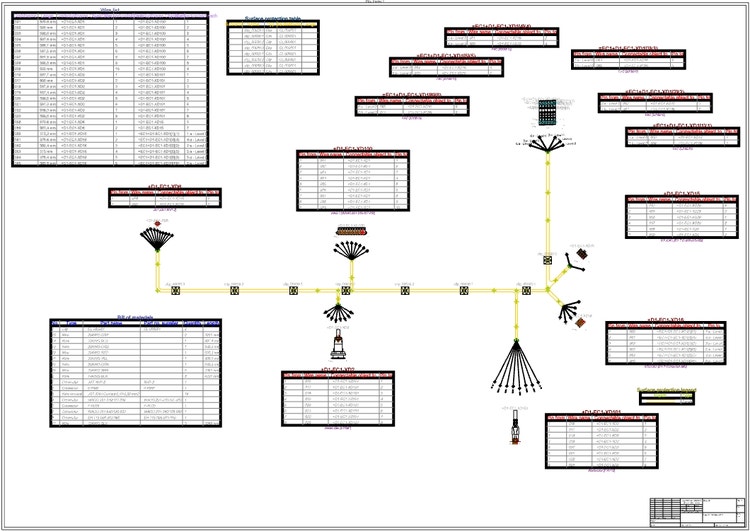
- Unified 2D and 3D wire-harness design processes: Designers route harnesses on the mechanical 3D model. The wiring is automatically sunk with electrical schematics built within Eplan.
- Automated production outputs: Harness proD generates flattened layouts from the 3D routing and manufacturing details directly from the harness model.
- Maintained data consistency: Smooth integration with ECAD and MCAD keeps electrical and mechanical teams aligned, reducing physical space or cabling mismatches.
Dig deeper into Harness proD capabilities
A Cohesive, Data-Driven Engineering Ecosystem
The real value comes from combining Eplan's three tools. When that happens, machine engineering becomes tightly integrated:
- Single source of truth: Electrical, fluid, mechanical, cabling, and assembly data all emanate from a shared digital twin.
- Seamless variant support: Reuse core designs, adapt for new models without starting from scratch.
- Traceable compliance: Automatically generated documentation supports audits in regulated industries, ensuring traceability across disciplines.
Learn more about Eplan Engineering Configuration
Final Word
The most persistent pain points in custom machine engineering, fragmented processes, manual iterations, and late-stage errors, are easily tackled with Eplan P8 and Cable proD. This leads to several benefits:
- Faster harness development, fewer errors, and seamless handover to production.
- Reduced material waste, faster commissioning, and fewer last-minute surprises during assembly.
- Assembly times drop by 30–50%, while businesses see a significant first-time quality improvement.
By transforming data into an interconnected digital workflow from schematic capture to wiring on the shop floor, these tools empower design teams to reduce waste, accelerate delivery, and deliver consistent, high-quality machinery in industries with zero room for error.
Want to Learn More?
Contact us today to set up a demo of the software or speak with our highly qualified systems consultants to learn how Eplan can streamline your processes.