

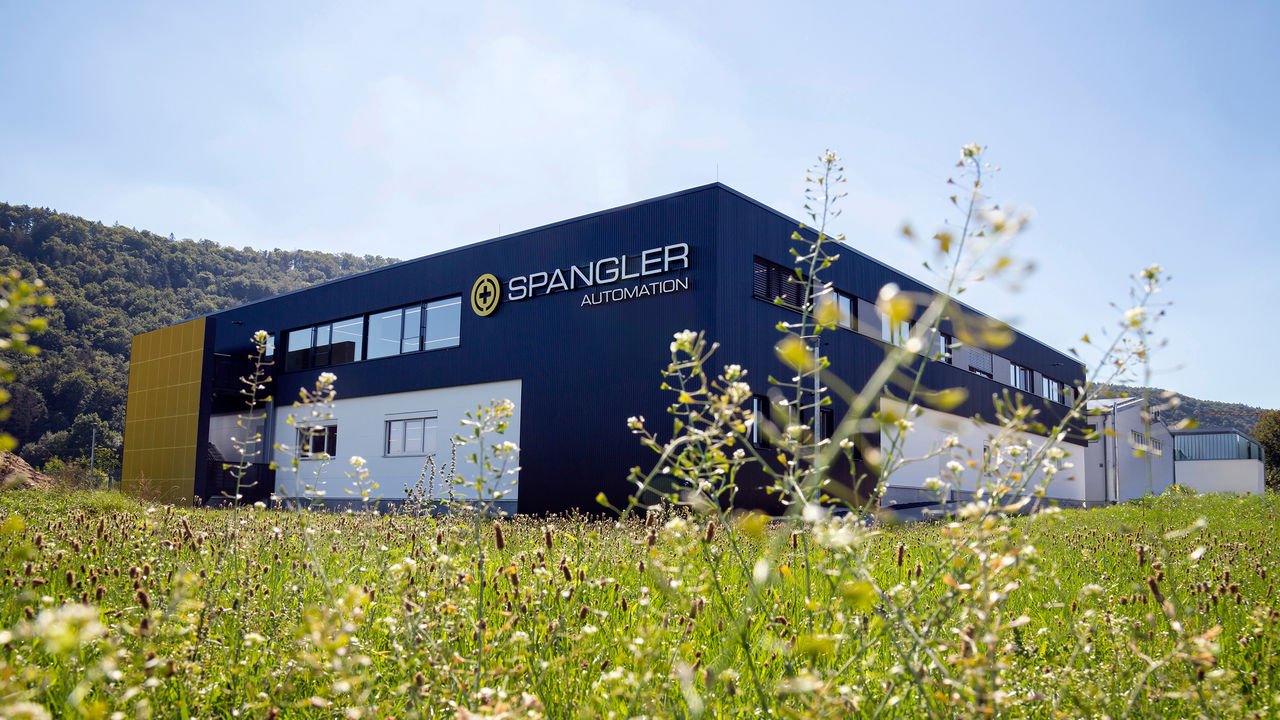
Spangler: Electrical engineering designs – systematic automation
To support customers in machine and plant-system engineering with their automation processes: this is the goal that the company Spangler has set for itself, offering much more than just electrical planning and control cabinet manufacturing. The company still has big plans and is continually searching for ways to advance its own in-house automation and standardisation – based on the Eplan Platform.
Anyone who plans and builds automation systems knows how to automate – and can also implement this in their own processes. This is exactly what Spangler does at its headquarters in Dietfurt, Germany under the maxim “automation with a system.” To be more precise, there are several systems, including for creating schematics (Spangler Configuration System) and for software programming.
The company began its process of automation with the goal of standardisation back in 2008, with the introduction of the Eplan Platform. CEO Christian Brandmüller: “Back then, we used the Platform to continuously optimise our processes – also adapting the individual Eplan modules accordingly. This enabled us to achieve a very high degree of automation in electrical planning and control cabinet manufacturing.”
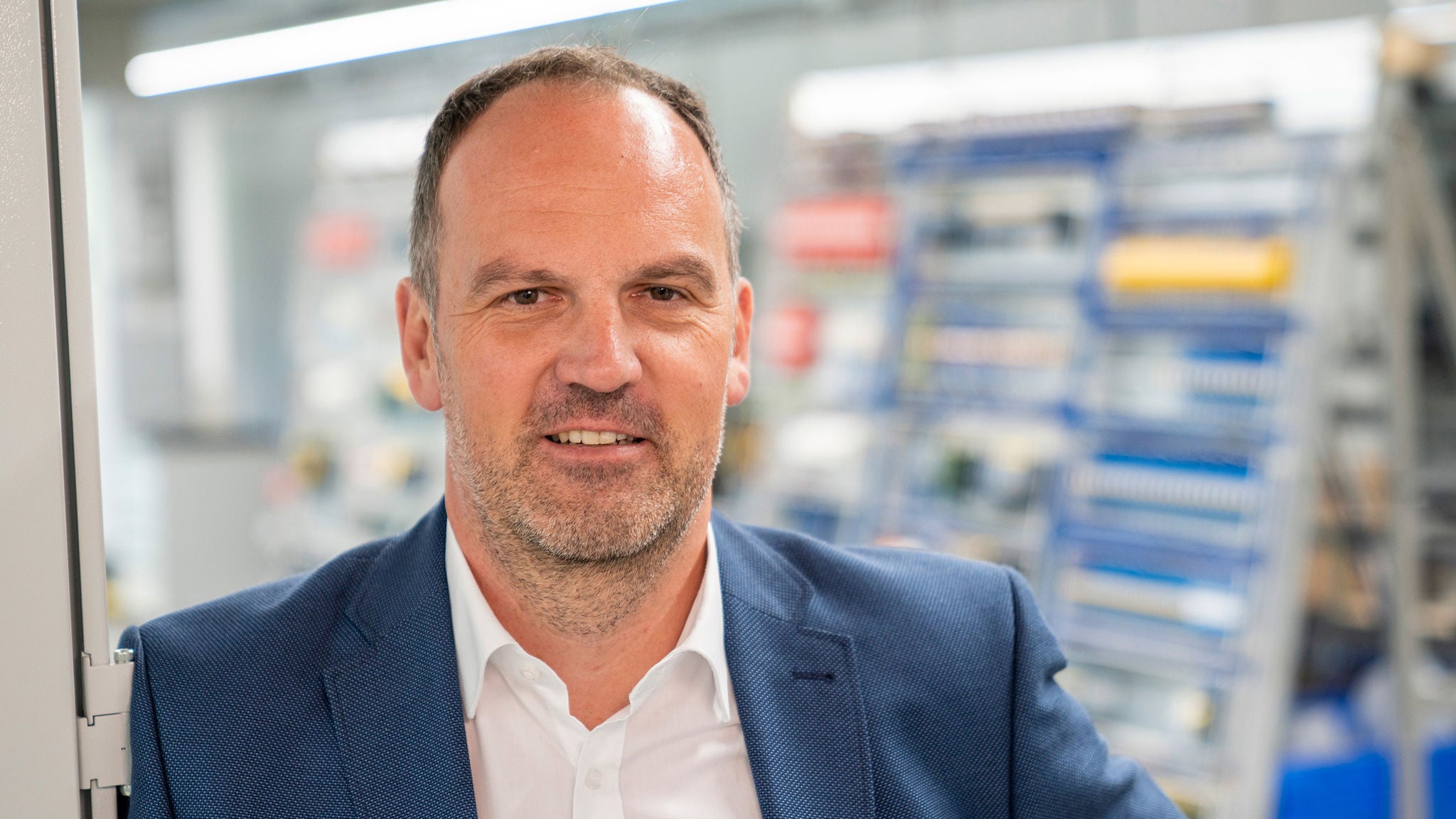
Proprietary tools for control cabinet design
One of the tools the company uses for this automation is the Spangler Configuration System, SCS for short, for creating schematics. The SCS is based on Eplan Engineering Configuration (EEC), for which Spangler has developed an extension with its own front end and user interface.
Why its own software? Spangler System Administrator Rainer Meier: “SCS also has a standard-compliant mechatronic component that our designers use to configure control cabinets for machine or plant systems. From this we derive the data that is imported into the EEC. The EEC then generates the schematics.”
According to Rainer Meier, this allows plans to be created with a 50 to 90 per cent degree of automation. The range depends on the respective project structure and number of variants – it also demonstrates how flexibly the system can be adapted to different requirements. On the software side, this is accomplished with a division of labour, where the designers work with SCS while EEC runs in the background.
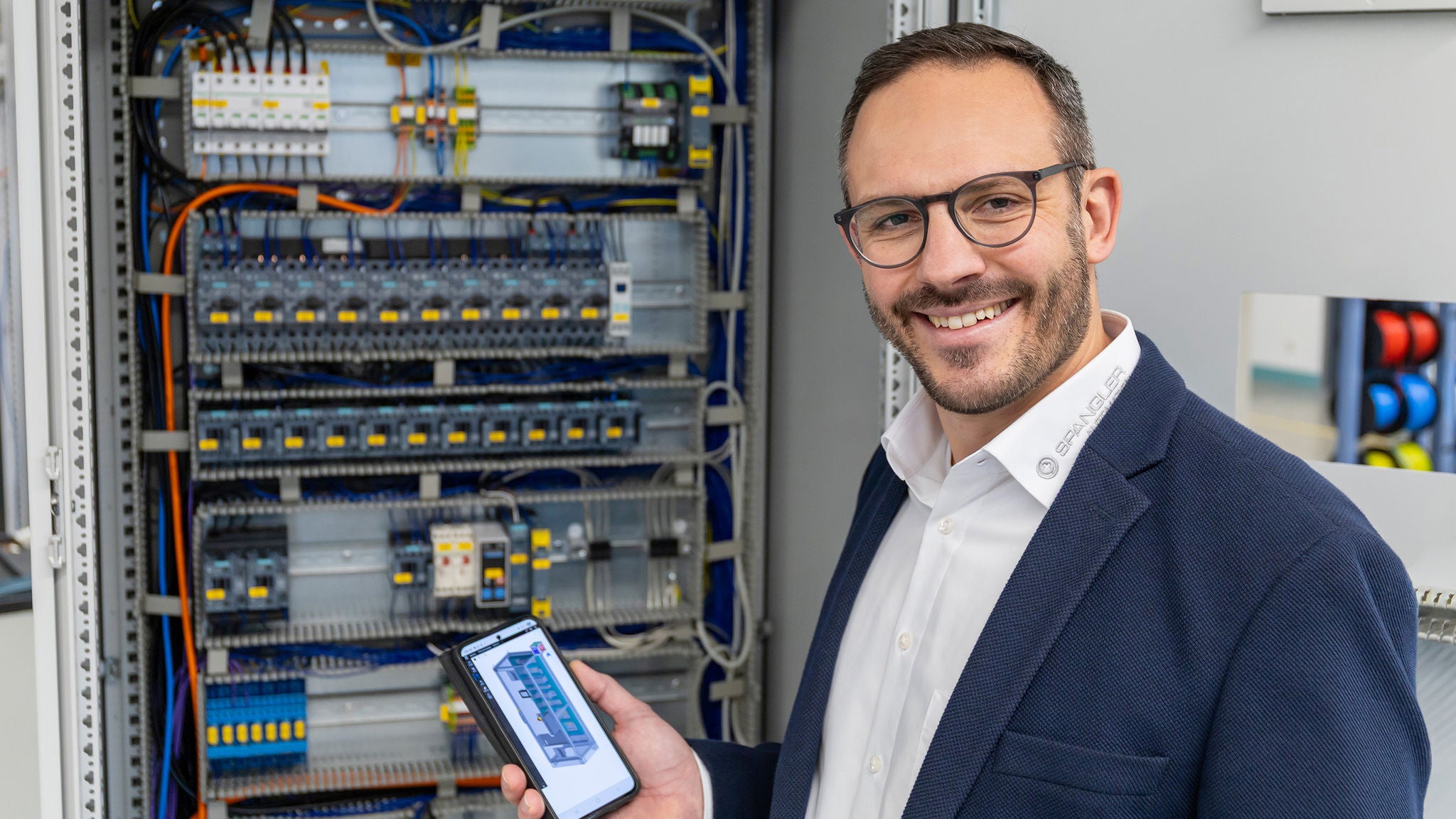
New identity: “We’re automation specialists”
Now Spangler is taking the next step – again with Eplan. Christian Brandmüller: “We’re moving away from our image as a control cabinet manufacturer and are placing greater emphasis on supporting our customers in the digital transformation. That’s where the value chain begins and it creates the conditions for efficient control cabinet manufacturing and, even more importantly, for the associated machine or plant system to perform its task in the best possible way and with a high degree of automation. We want to support our customers even more comprehensively and even earlier in the process, during planning and programming.”
As Christian Brandmüller explains, this has always been one of Spangler’s core competencies, which is now being emphasised more strongly in the company’s external image. “We’re not only concerned with the electrical planning and creation of schematics, but for instance also with data management and the connection to ERP systems. With this expanded range of services for automation in machine and plant system manufacturing, we will gain new clients. This is our goal for the future and our new identity.”
- 1
- 2
Starting point: Preferably, it’s best with Eplan Preplanning and the Data Portal
Spangler may have begun this process with Eplan back in 2008, but it’s been the starting point for every project ever since. Christian Brandmüller: “We are certainly a key user and have continued to develop with Eplan. We use Eplan Electric P8, EEC and Pro Panel. And when a new Eplan module gets released, we take a look at it and ask: Is it right for us? Right for our customers? Does it offer added value?”
Spangler sees a clear added value when customers use Eplan Preplanning. Electrical designers can simply transfer the data and don’t have to re-input it or create a structure for it. When selecting components, the Eplan Data Portal offers a huge advantage, which Spangler has adapted to its own requirements. Rainer Meier: “We use the data from the Eplan Data Portal and enrich it. We’ve developed standards for this, as well as for the use of macros. Eplan Consulting has really supported us in this process.”
Taking digital schematics to the cloud
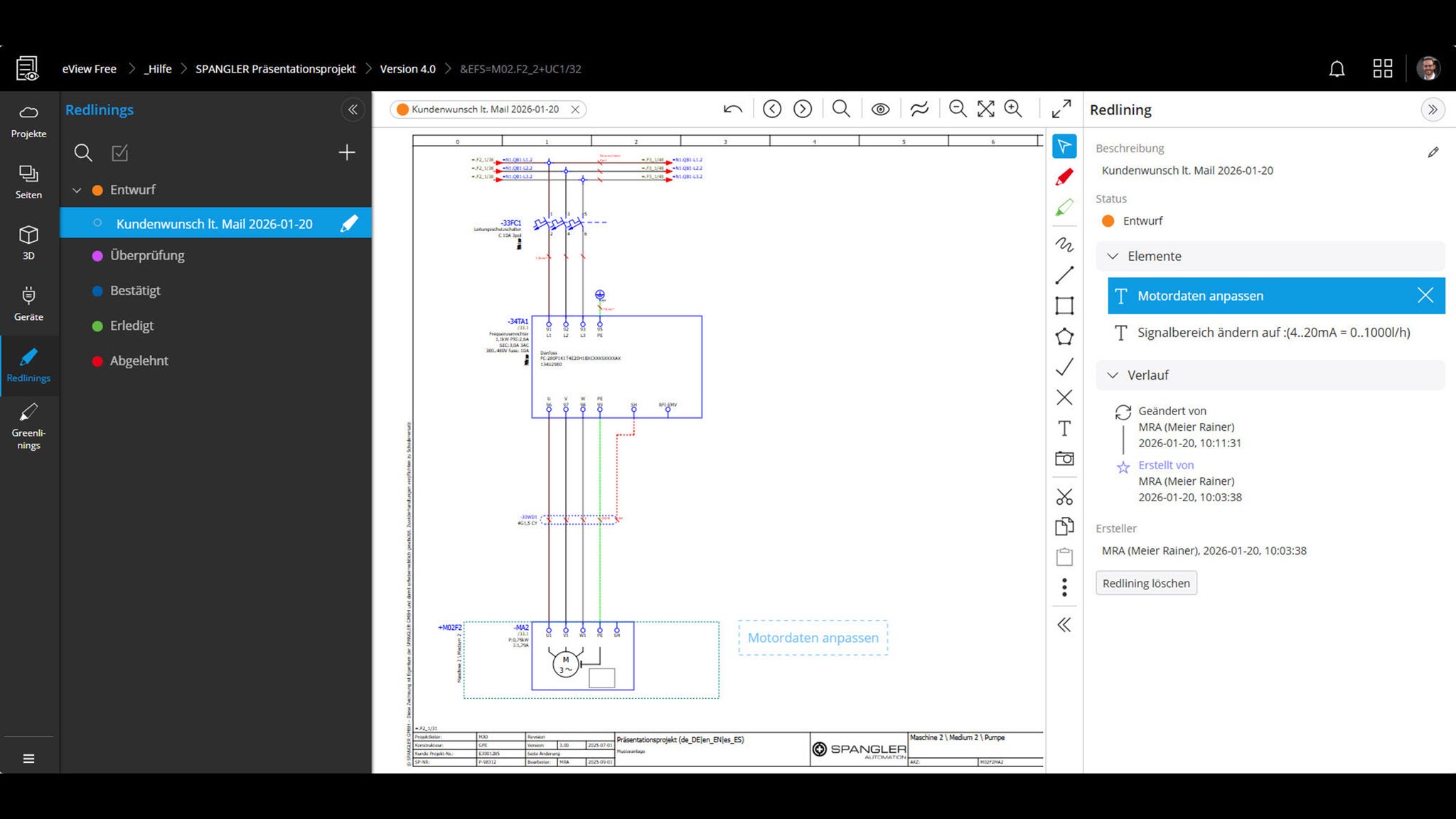
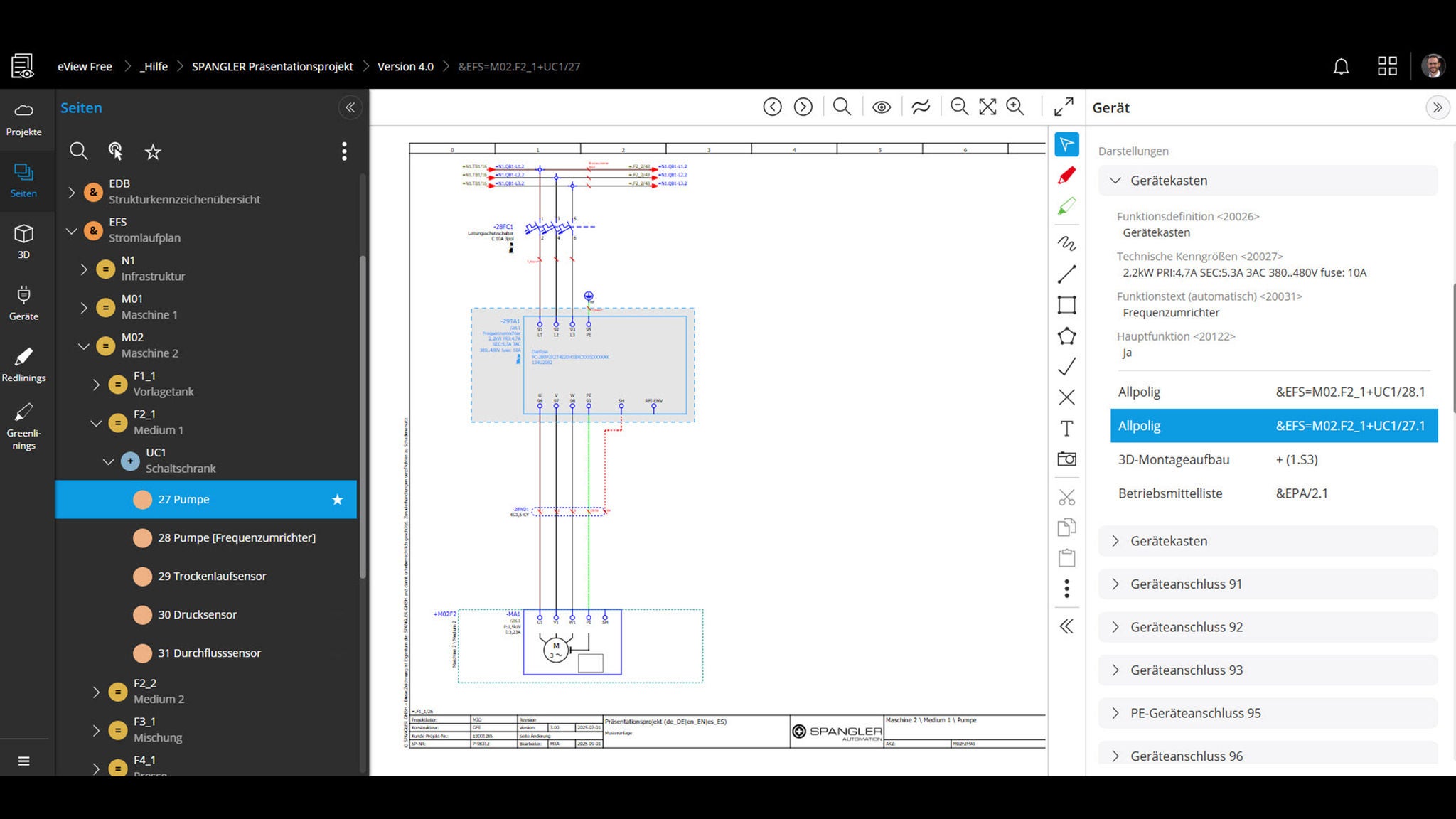
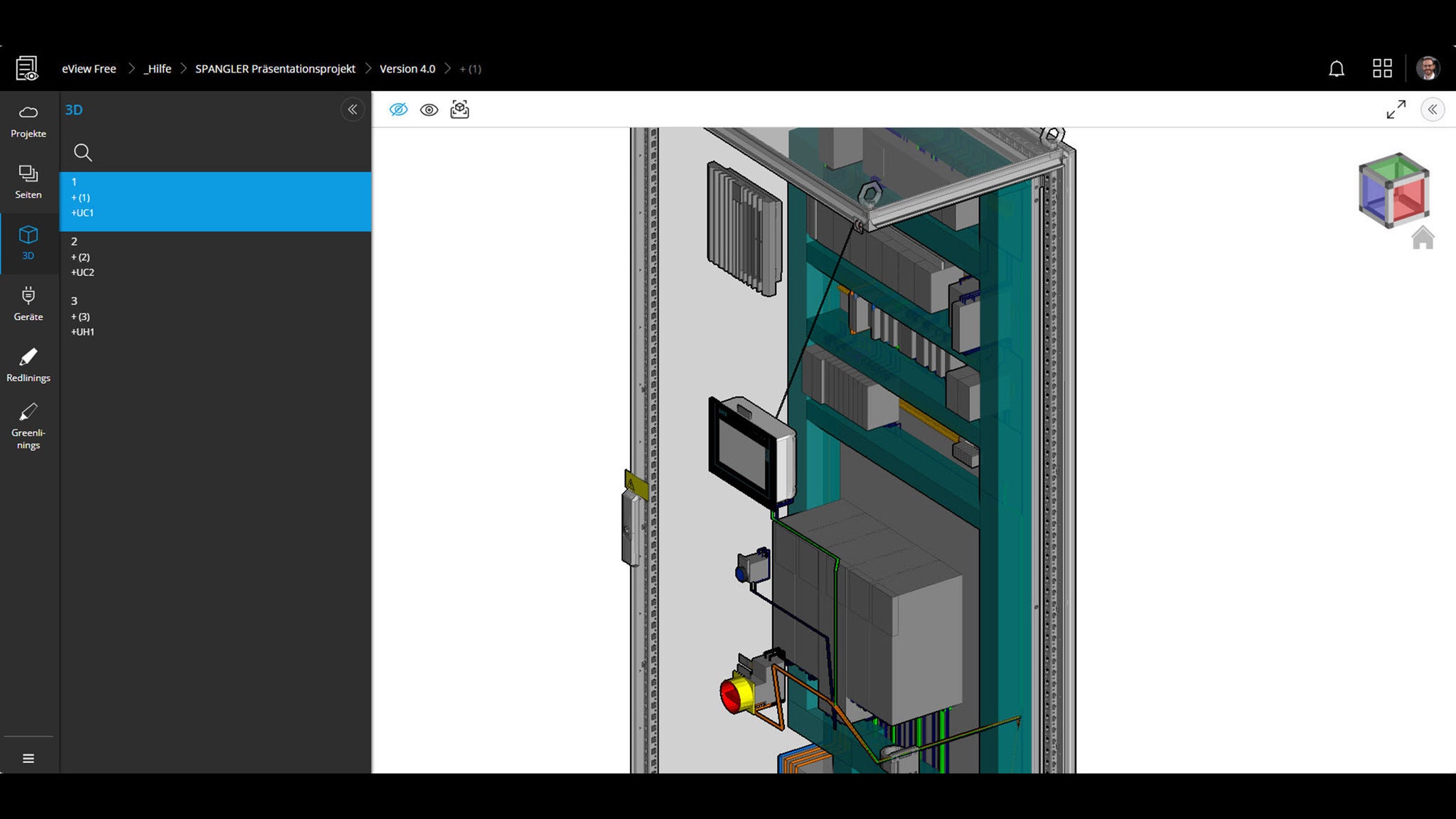
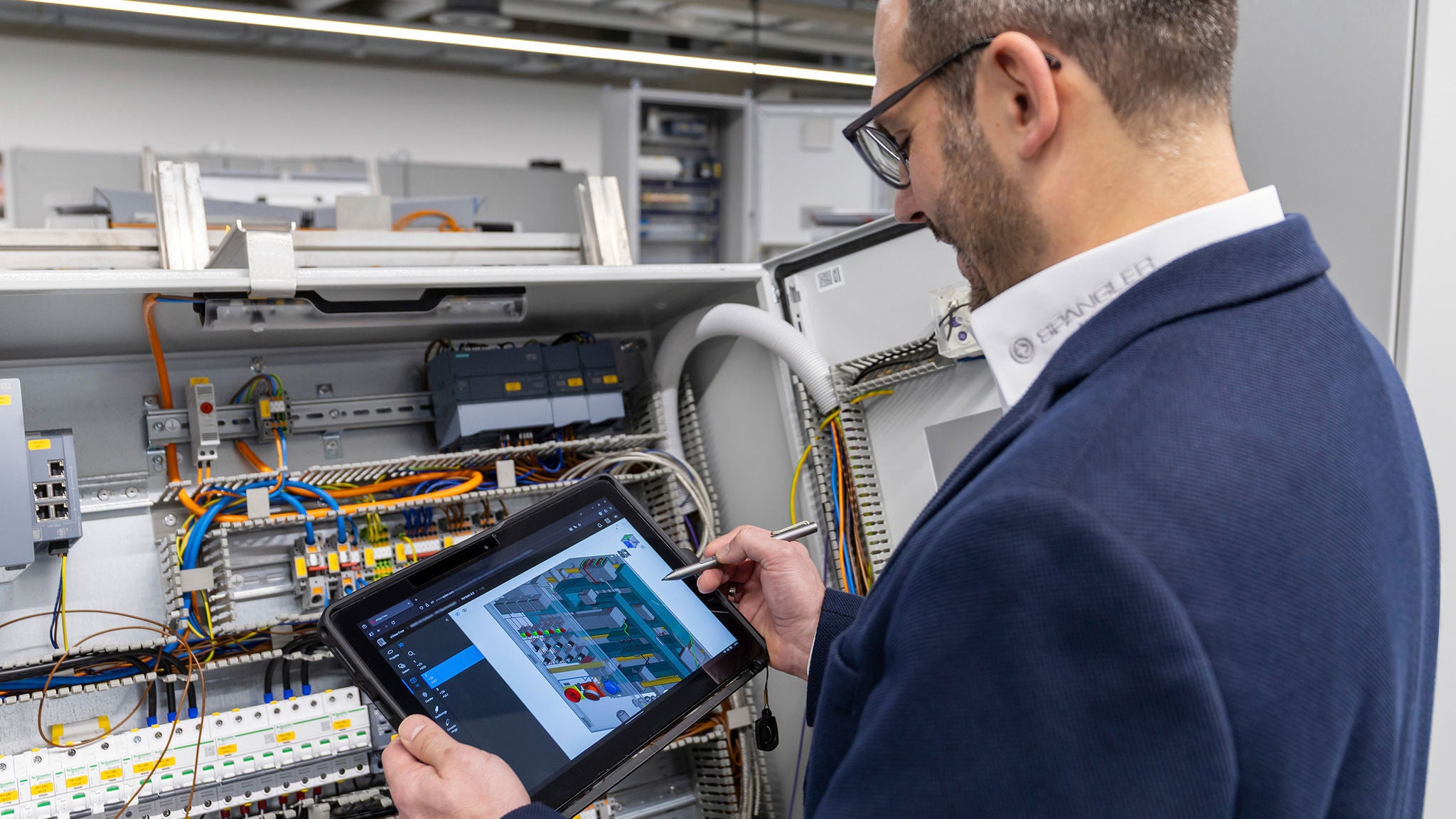
On the topic of digital schematics, Spangler has also made great strides and is currently testing the project viewer eView. Christian Brandmüller: “Schematics are the central foundation of our work. We are constantly asking ourselves how we can digitise them even more and use them in more ways. For instance, we can well imagine integrating Eplan’s cloud services into the value chain. One way this would help would be to enable faster troubleshooting for the service department and create a central platform for communication.” The schematics are thus evolving from a final document to a digital asset that can be used throughout the entire life cycle of a plant system.
Storing the documents in the cloud – again using eView – and also giving customers access to them takes this idea yet another step further. Spangler is currently evaluating this option, initially without involving customers, and has some very specific ideas for it. Rainer Meier: “The customer wouldn’t receive a huge data set for approval, but instead we would provide guidance about what needs to be checked and decided.” This would simplify approval, change and release processes and take time pressures out of the process.
Wisely using scripting – for explosion-proof projects for example
For the additions and enhancements described, Spangler developers are taking advantage of a feature that Eplan offers but that many users never try out: scripting, which makes Eplan a very open and adaptable platform. Rainer Meier: “You can use scripting to program functions and import them into Eplan. Right when we introduced Eplan, we scripted an ‘all inclusive’ button to automate recurring data exports and data storage. We have continuously expanded this added value.”
Spangler additionally used scripting to create an entire suite of tools for its designers, for which the initial question was usually, “Is there a mouse click that can be avoided?” Even more complex tasks, for instance such as verifying the intrinsic safety of explosion-proof systems, can be implemented with scripting. A link to the device database has also been used to implement the testing of control cabinet climate control systems. Rainer Meier: “The verification is virtually automatic since we’ve already recorded all the necessary data at the product level. This means the designer doesn’t have to search for the data for each component in the manufacturer’s data.” Spangler takes a similar approach to software programming.
Great cooperation
On the hardware side, Spangler benefits from end-to-end data consistency when using Rittal control cabinets and components in both its planning processes and production processes: a CNC machining system for wire production and labelling is directly connected to the Eplan Platform to take advantage of the innovative added value of the digital twin. Eplan Consulting is also in high demand as part of the mix. Christian Brandmüller: “We check with Eplan to ensure that we’re using the software appropriately and in the most efficient manner. The consulting service provides us with valuable advice, and we’re also happy to share our experiences with Eplan. We maintain direct contact and appreciate the honest exchange of ideas.” Spangler will continue to press ahead with its in-house automation and standardisation – with the goal of bringing the automation of customer systems to the next level.
- 1
- 2
Spangler: Automation for Machine and Plant System Manufacturing
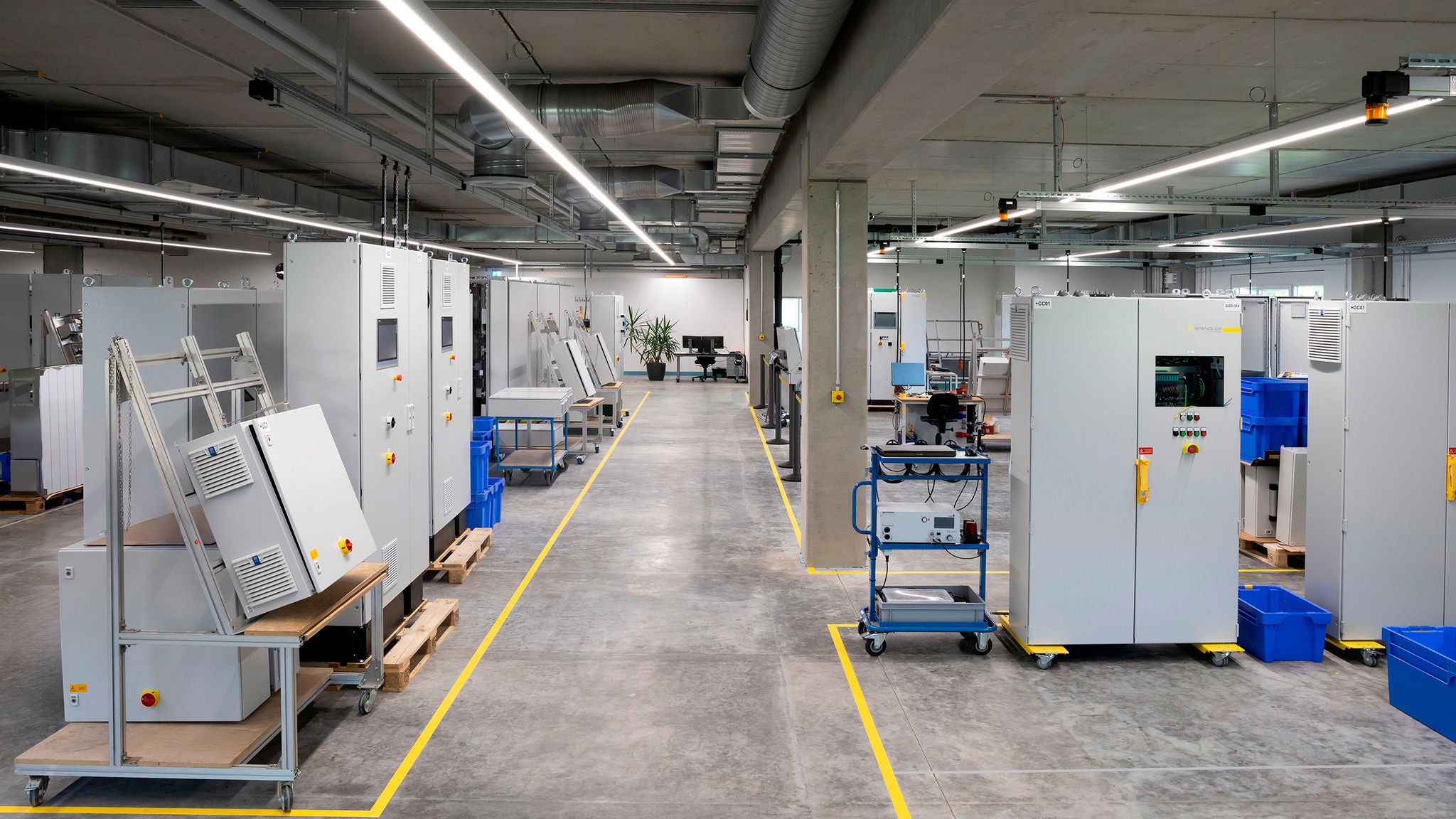
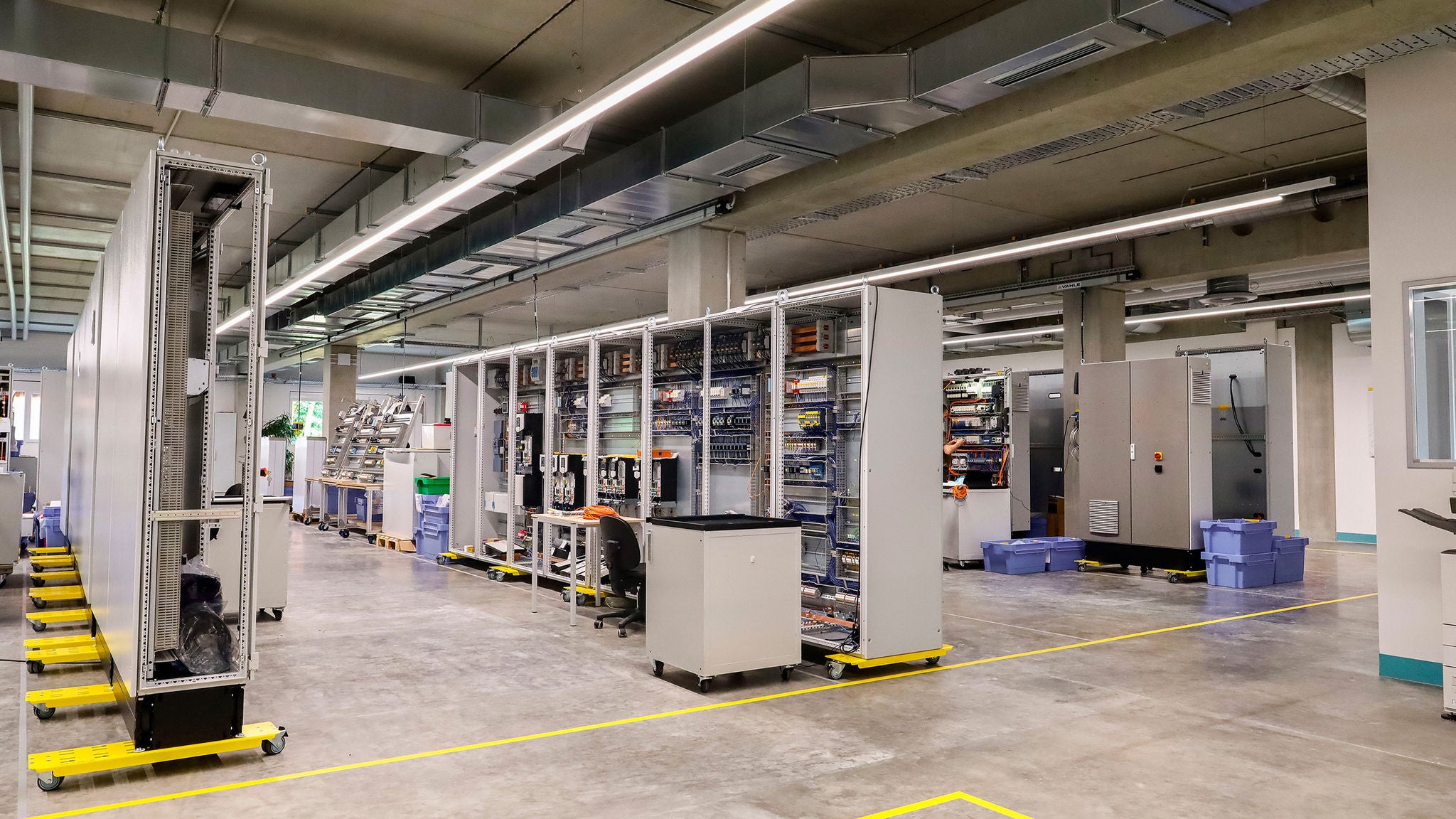
Spangler Automation designs and plans plant system automation projects, programs the control technology and manufactures the switchgear systems in-house. Today the family-run company, founded in 1981 by Franz Spangler, has about 150 employees in Germany and manages projects around the globe. The focus is increasingly on planning: Spangler covers the entire value chain and works very efficiently because its own processes are largely standardised and automated.
The company’s customer base is widely diversified, covering areas such as environmental technology, the raw materials industry, food industry and renewable energies. Spangler Automation is currently positioning itself even more strongly as a solutions provider that plans and implements every facet of automation technology for its clients.