


Armstrong Dematic’s digital transformation with Eplan
In the rapidly evolving world of intralogistics and warehouse automation, Armstrong Dematic has emerged as a trailblazer, delivering advanced automation solutions to some of the world’s most demanding supply chains. As project complexity and scale increased, Armstrong Dematic recognised the need to modernise its electrical design and engineering workflows. This customer story explores how the adoption of Eplan has enabled Armstrong Dematic to achieve new heights in efficiency, quality, and innovation.
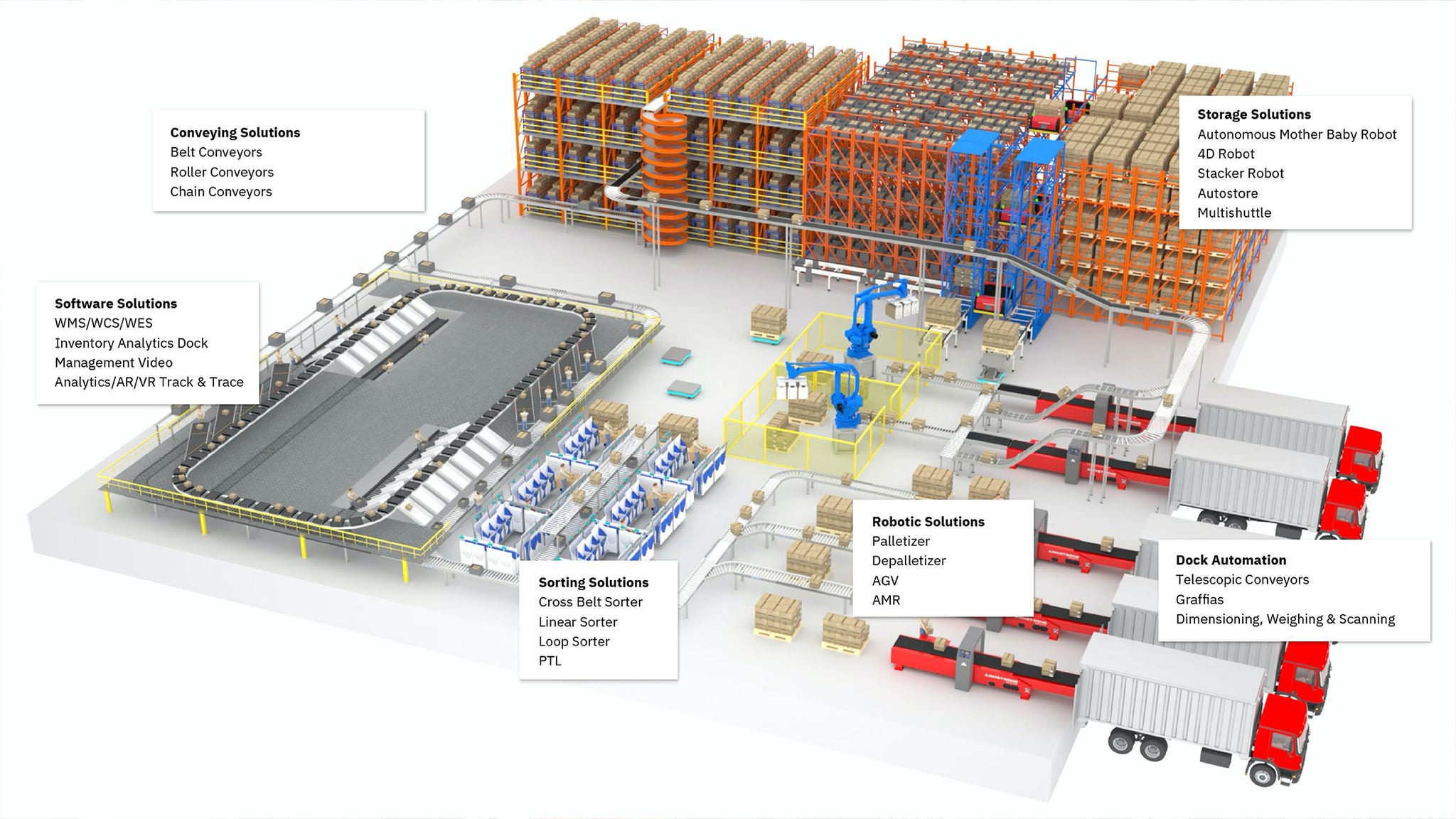
Armstrong Dematic, a division of Armstrong Robotics and Technologies Pvt. Ltd., specialises in designing, manufacturing, and commissioning end-to-end automation systems. Serving sectors such as e-commerce, pharmaceuticals, automotive, FMCG, and more, the company is renowned for its high-throughput ASRS, AMRs, and intelligent control systems. Sumeet Kurhade, Senior Manager – Electrical Design, leads a team dedicated to delivering intelligent, scalable, and high-performance solutions for large-scale, complex installations.
As Armstrong Dematic’s project portfolio expanded, the limitations of traditional CAD tools became increasingly apparent. Manual processes, lack of standardisation, and growing project complexity called for a more robust and future-ready engineering platform.
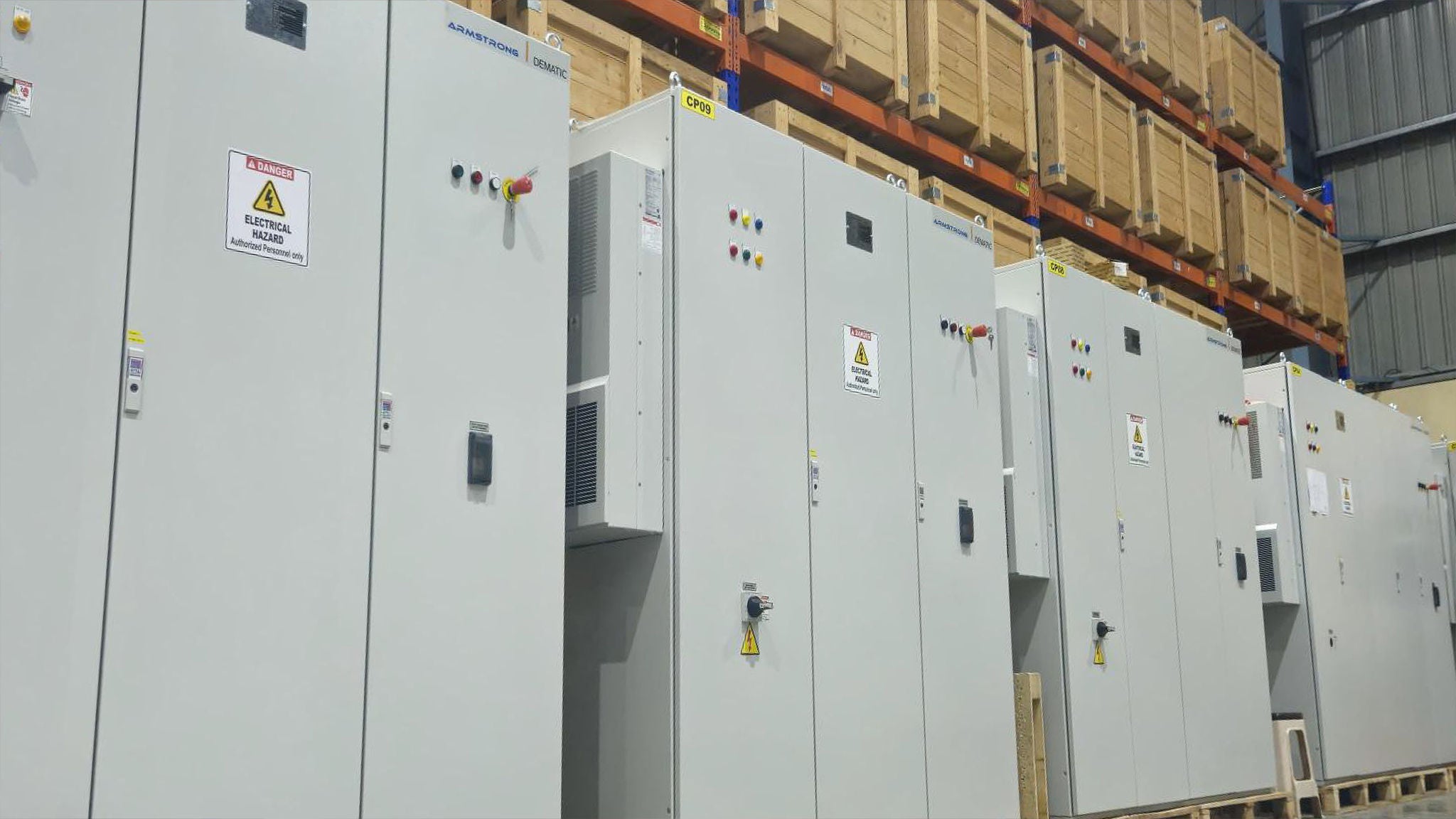
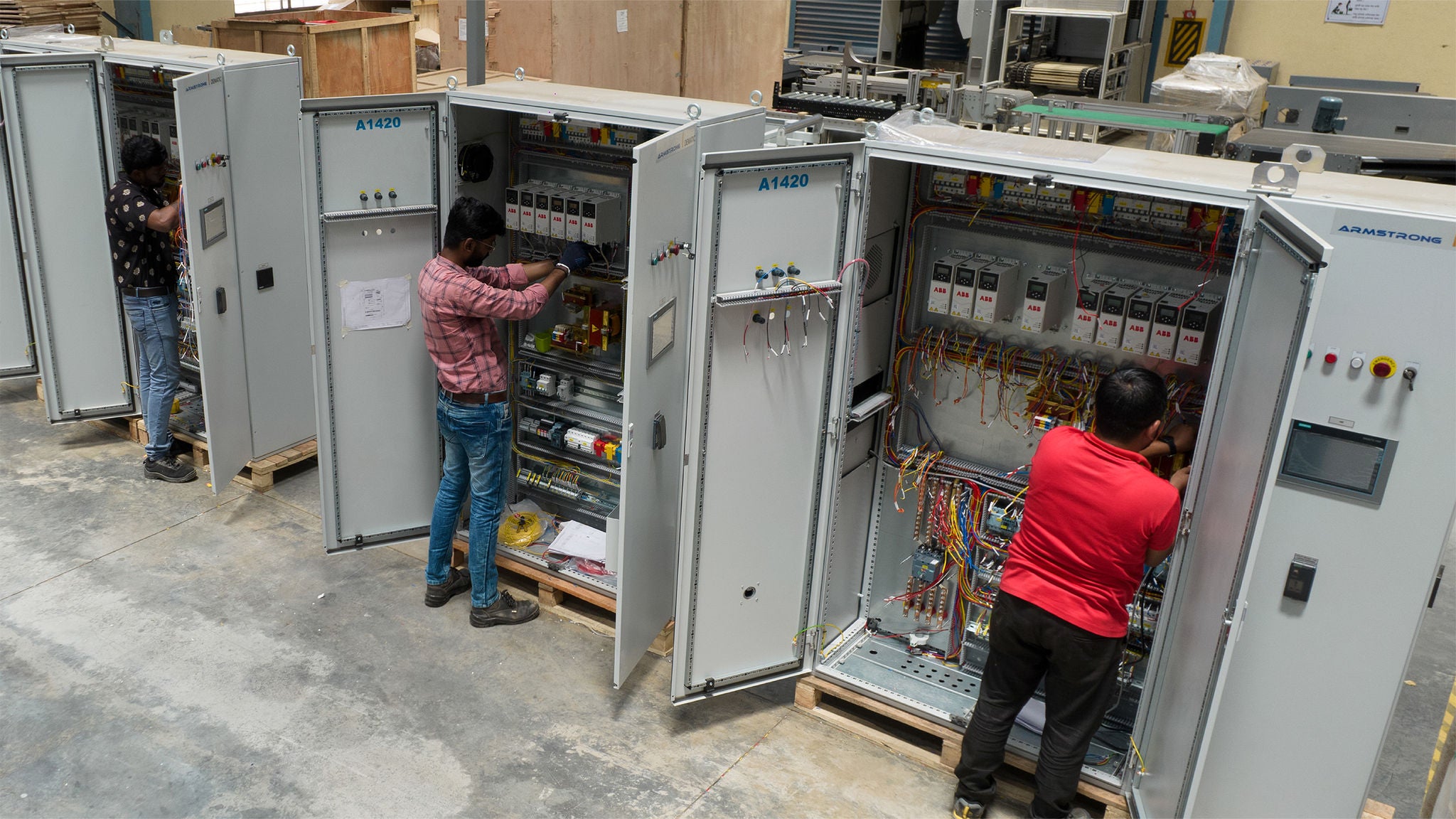
- 1
- 2
Analysis of the case
Challenges before Eplan
- Manual, error-prone workflows: Conventional CAD tools required repetitive manual tasks for BOM generation, device tagging, and revision management, increasing the risk of errors and inefficiencies.
- Lack of standardisation: Each project demanded manual setup of specifications, forms, and drawing structures, leading to inconsistencies and wasted engineering hours.
- Limited scalability: As projects became more complex and diverse, the absence of automation and standardised processes hindered the ability to scale efficiently.
- Fragmented collaboration: Using multiple tools for different design aspects created silos, affecting data integrity and slowing down project execution.
The decision to adopt Eplan
In 2015, Armstrong Dematic adopted Eplan with the goal of achieving standardisation, accuracy, and efficiency in electrical design. Eplan’s advanced capabilities-such as automated reporting, macro-based design, and seamless integration with manufacturing workflows-aligned perfectly with Armstrong Dematic’s vision for digital engineering excellence.
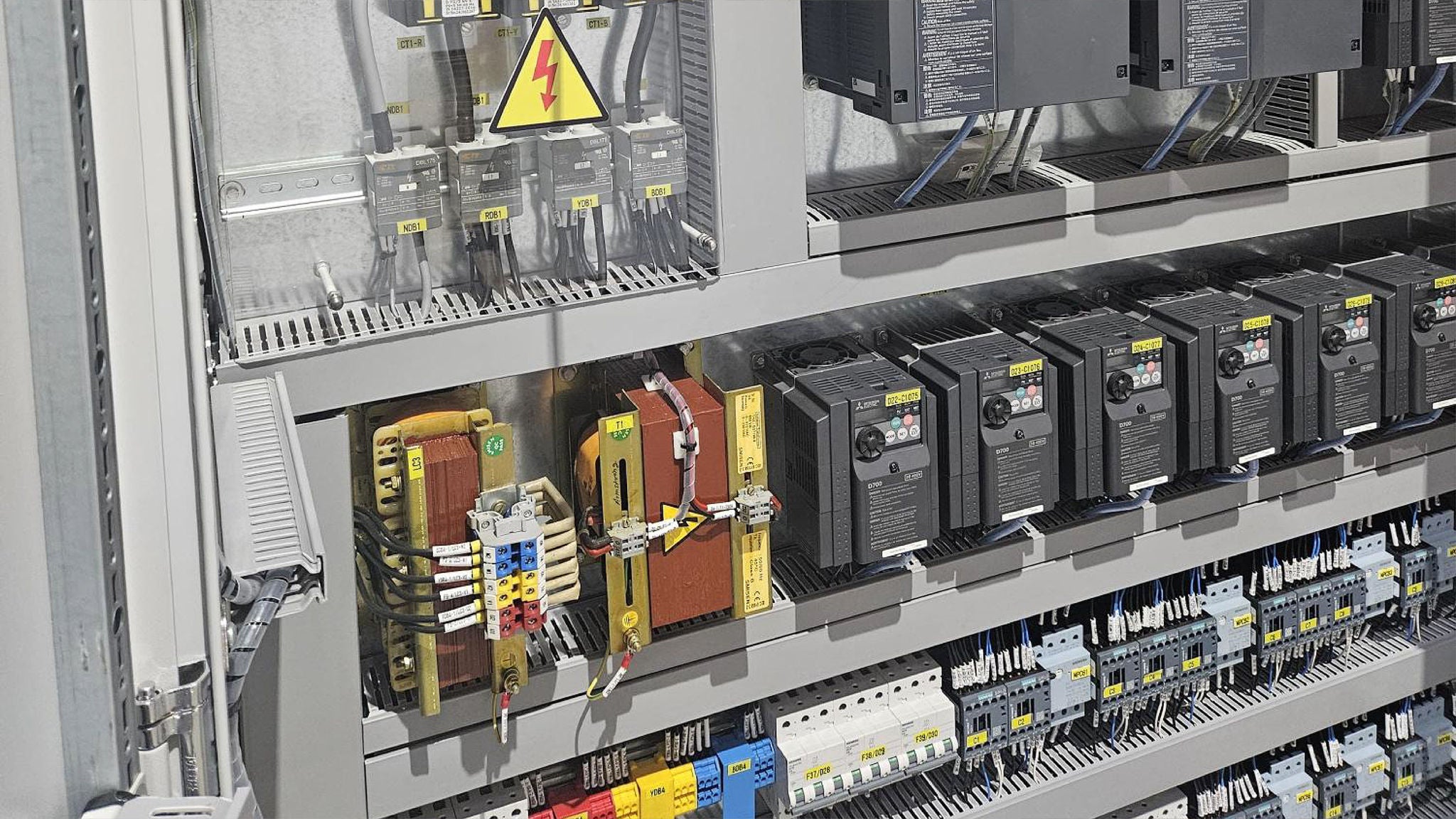
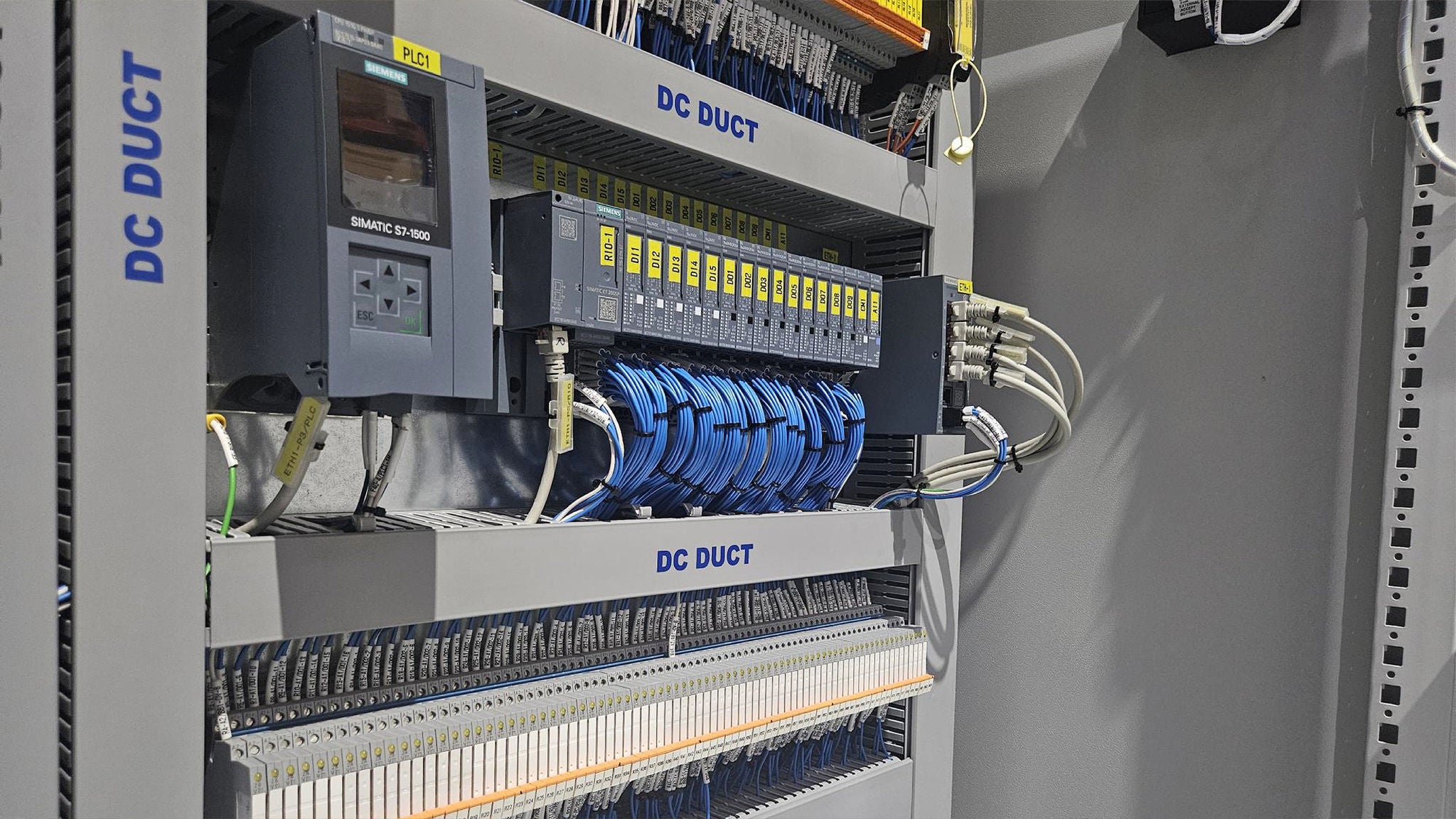
- 1
- 2
Proposed solutions
Eplan implementation
Armstrong Dematic’s engineering transformation centered on the deployment of Eplan Electric P8 for electrical planning and Eplan Pro Panel for control cabinet construction. The Eplan Data Portal and centralised project database became foundational to the company’s standardised design ecosystem.
Key initiatives included:
- Customised project templates: Armstrong Dematic developed detailed Eplan templates with predefined structures and settings, ensuring every project began with a consistent, high-quality foundation.
- Reusable macro libraries: Over 500 placeholder macros were created, enabling rapid insertion of standard circuits and reducing repetitive manual work.
- Automated reporting and tagging: Features like block properties, BOM generation, and auto cable tagging streamlined documentation and minimised manual errors.
- Unified drawing ecosystem: General Arrangement (GA) drawings were transitioned from AutoCAD to Eplan, aligning all design activities within a single, integrated platform.
- Continuous innovation: The team is preparing to implement Eplan Cogineer to further automate repetitive design tasks and boost productivity.
Collaboration with Eplan
The partnership with the Eplan team was marked by structured communication, detailed feedback, and actionable recommendations. Regular reviews and process audits helped Armstrong Dematic optimise its use of Eplan, from report generation to advanced Pro Panel functions and custom integrations.
Results and measurable benefits
- 30–40% reduction in engineering time: Standardised templates, macros, and automated reports have significantly reduced manual effort and accelerated design cycles.
- Enhanced documentation quality: Automation-driven features have improved the accuracy and consistency of project documentation.
- Improved collaboration: Standardised workflows and automated reporting have enhanced collaboration between design and commissioning teams.
- Scalable project delivery: Armstrong Dematic can now efficiently deliver both large-scale warehouse systems and modular solutions for diverse industries.
- Recognition for innovation: Winning the Eplan Design Challenge 2024 highlighted Armstrong Dematic’s commitment to engineering excellence and innovation.
Conclusion
The adoption of Eplan has fundamentally transformed Armstrong Dematic’s engineering workflows, delivering measurable improvements in efficiency, quality, and scalability. Eplan’s automation, standardisation, and precision have enabled Armstrong Dematic to maintain its leadership in delivering complex, high-performance automation solutions.
Recommendation:
Organisations seeking to optimise their electrical design and automation workflows should consider a comprehensive adoption of Eplan. Armstrong Dematic’s experience demonstrates that fully integrating Eplan into engineering processes unlocks significant gains in productivity, quality, and operational excellence.
For companies navigating the challenges of complex, large-scale automation projects, Eplan offers a proven path to digital engineering transformation. Embrace Eplan to drive innovation, streamline workflows, and achieve scalable success in today’s competitive landscape.
"Eplan has become a core part of our engineering at Armstrong Dematic, enabling a 20–30% reduction in design time through automation and standardisation. As our intralogistics systems grow in scale and complexity, Eplan ensures agility, consistency, and speed, making it a key enabler in delivering smarter, scalable solutions compliant with global standards."

"At Armstrong Dematic, Eplan has transformed the way we approach electrical design, streamlining workflows, reducing manual efforts & errors by using Macros, and accelerating project turnaround. It brings structure to complex systems and supports reliable, future ready solutions aligned with international benchmarks."

Contact Eplan for a consultation on how digital engineering can transform your project delivery.